On average the Philippines receive 20 typhoons a year, and these natural disasters are growing in frequency and intensity. In November of 2013, Typhoon Haiyan hit reaching wind speeds of 315 kilometres per hour, devastating communities and claiming more than 6,300 lives. Just over one year later, Typhoon Hagupit struck the region, reaching speeds of 215 kilometres per hour, claiming 28 lives. This second storm hindered re-building efforts in communities still recovering from Typhoon Haiyan. These local communities are in need of adequate shelter that can withstand severe storm conditions.
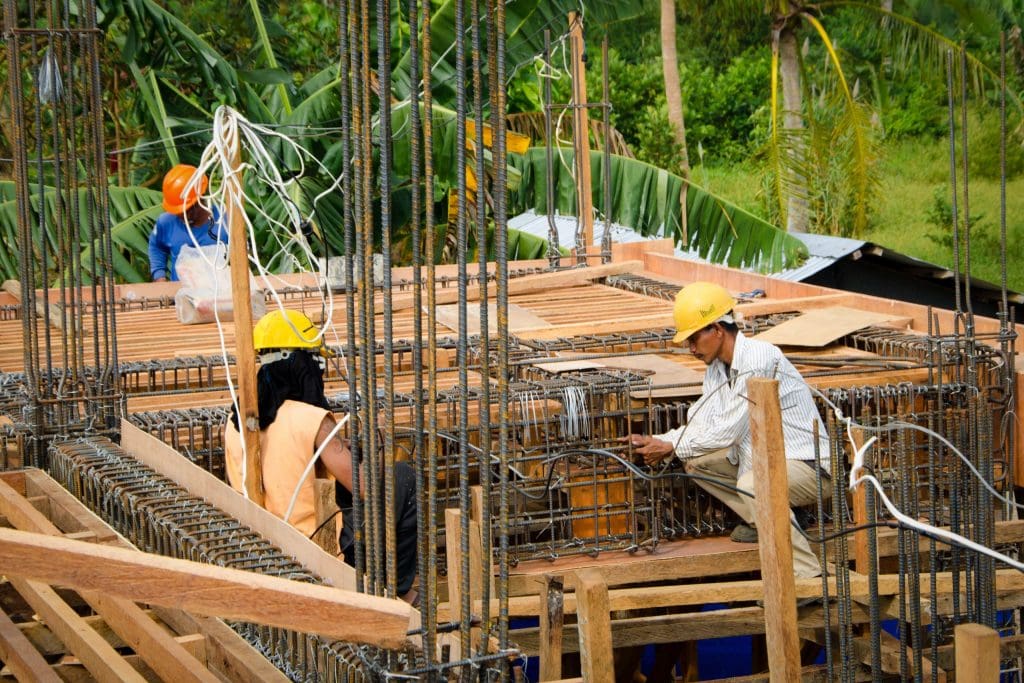
GlobalMedic initiated a new project rooted in disaster preparedness on the island of Leyte, in the Municipality of Tanauan. This project saw the construction of four evacuation shelters able to withstand up to 252 kilometre per hour winds in highly vulnerable communities. The structures are also elevated one metre above ground, making them flood resistant and are accessible to all persons.
6,300+ LIVES LOST IN HAIYAN
20 TROPICAL STORMS ANNUALLY
215 KILOMETRE WINDS IN HAGUPIT
In the short term …
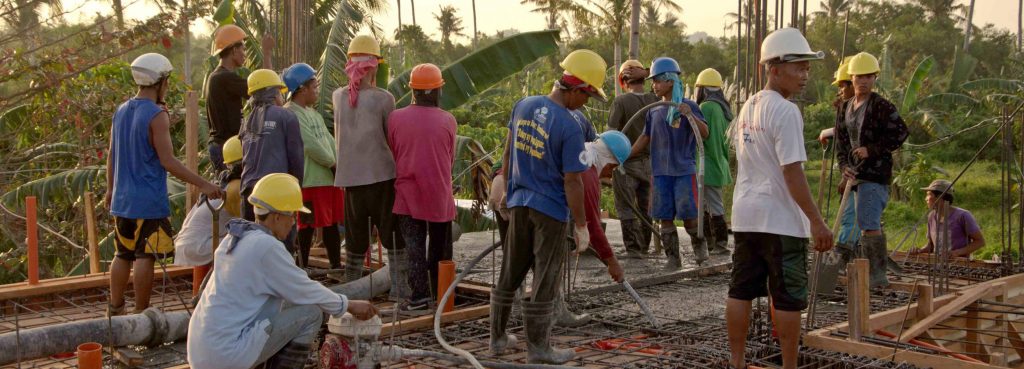
… the Storm Shelter Project had a positive effect on the people of Tanauan through the continued employment of local labourers. The hiring of a local contractor positively benefited the families of employees involved in the project, improving well-being and economic security. Similarly, small local business flourished as a higher number of workers in the area helped drive economic revenue. Additionally, the community overall gained a sense of empowerment, safety and stability, as they observed and actively contributed to the construction of this protective shelter.
In the long term …
… this project has provided safe and long-lasting shelter for residents of Tanauan in the event of future storms and disasters. It is also being used to support the academic programming of the Eastern Visayas State University. This has expanded the capacity of the University and supported local livelihoods by giving more students the opportunity to continue their studies despite heavy damage to the school from Typhoon’s Haiyan and Hagupit. The shelter’s ability to serve as an evacuation and information centre in the event of future disasters will support effective coordination of response efforts, which in turn will reduce suffering and fatalities in the surrounding community.