
On December 6th, 2014, Category 5 Typhoon Hagupit (known locally as Typhoon Ruby) roared into the eastern Philippines with winds up to 215 kilometres per hour. The strong winds and lashing rain ripped off tin roofs and toppled power lines in areas still bearing the scars of the last super typhoon just 13 months prior.
Upon impact, about 1 million people had already fled to shelters. Power was cut across most of the central island of Samar and nearby Leyte provide, including Tacloban City, considered ground zero of the devastating Super Typhoon Haiyan in 2013.
18 PEOPLE KILLED
CATEGORY 5 TYPHOON
215 KM/H WINDS
Within hours of Typhoon Hagupit passing, GlobalMedic’s local team was clearing debris from the roads using heavy equipment and conducting needs assessments across the region. The lack of clean drinking water, sanitation and hygiene emerged as the most critical needs. The cities of Borongan, Dolores, Oras and Canavid were some of the areas in greatest need of assistance.
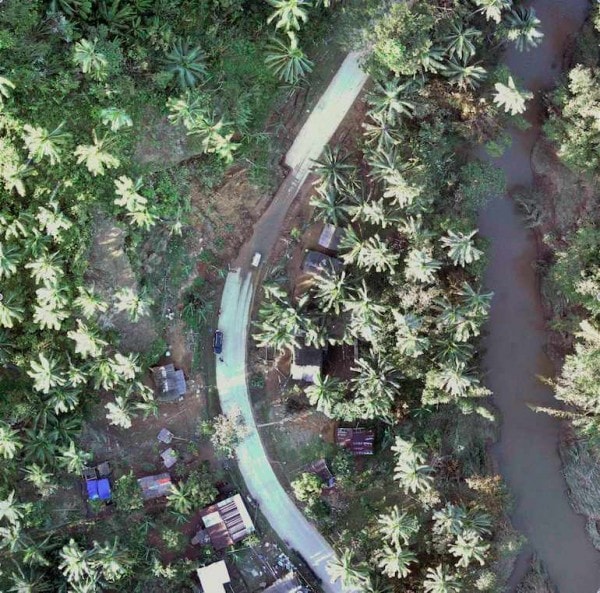
To aid in the assessment of humanitarian needs, GlobalMedic deployed our RescUAV Team. Team members worked tirelessly, flying UAVs over disaster affected regions to survey and collect invaluable aerial imagery. Information on damaged infrastructure, impassible roads, demolished homes, and population movements helped increase the efficiency of the humanitarian response not only by GlobalMedic but all actors operating on the ground.
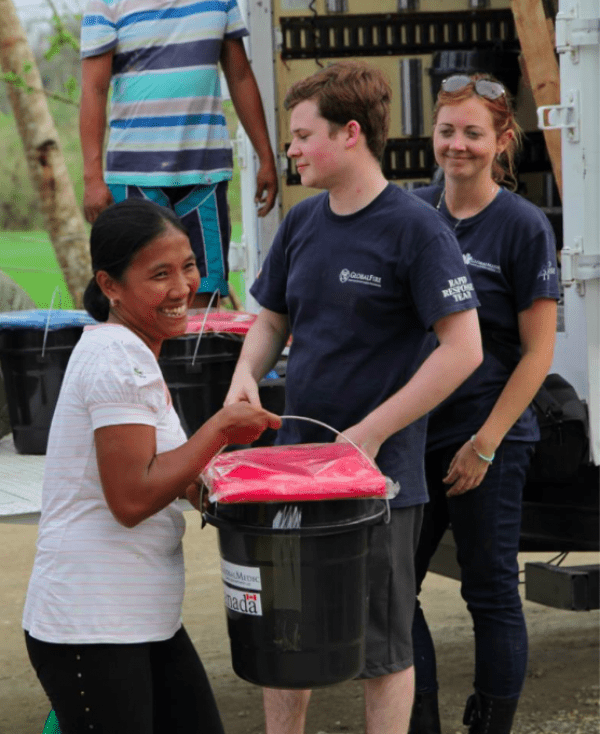
The Rapid Response Team began distributing more than 1.3 million Aquatab Water Purification Tablets to families throughout Samar. Their access to clean drinking water had been compromised due to infrastructural damage, water source contamination or, in many areas, both. The team also worked to distribute over 3,200 Rainfresh Household Water Purification Units.
More than 2,900 family hygiene kits packed with essential products were distributed to support families’ basic health needs. In addition, 600 jerry cans were also delivered to families.
At the community level, GlobalMedic installed 20 AP700 large-scale water purification systems in community centres, hospitals and schools, to provide clean drinking water to thousands of people.
